Die Etage
Pantomime
3-1 YEAR LONG MODULS OF PHYSICAL THEATRE/MIME EDUCATION PROGRAM AT THE SCHOOL OF MIME/PANTOMIME DIE ETAGE BERLIN
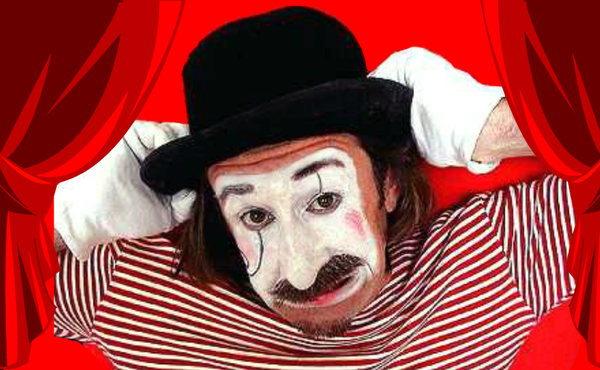
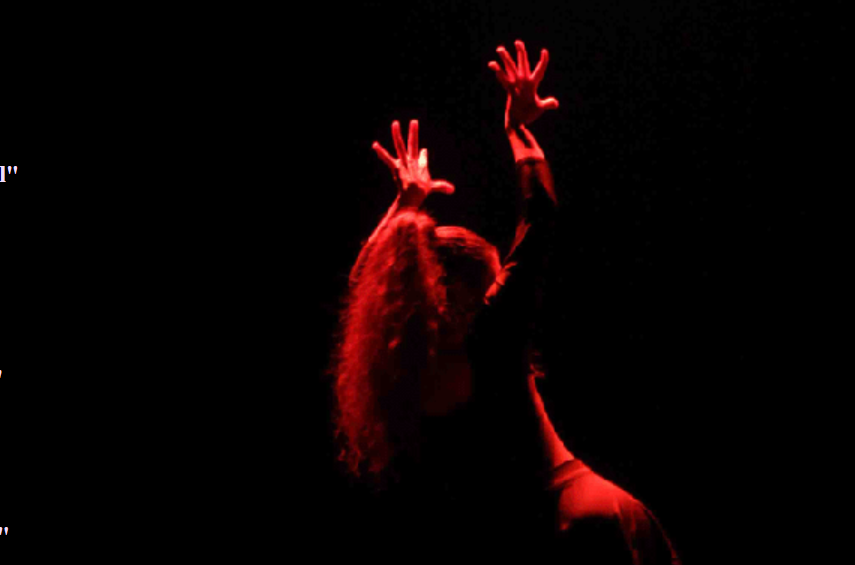
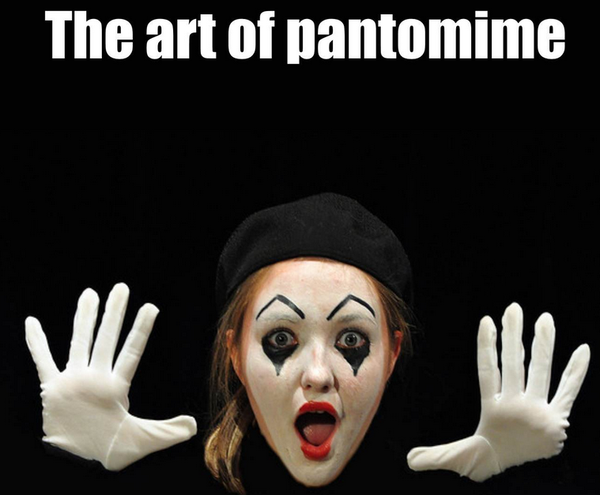
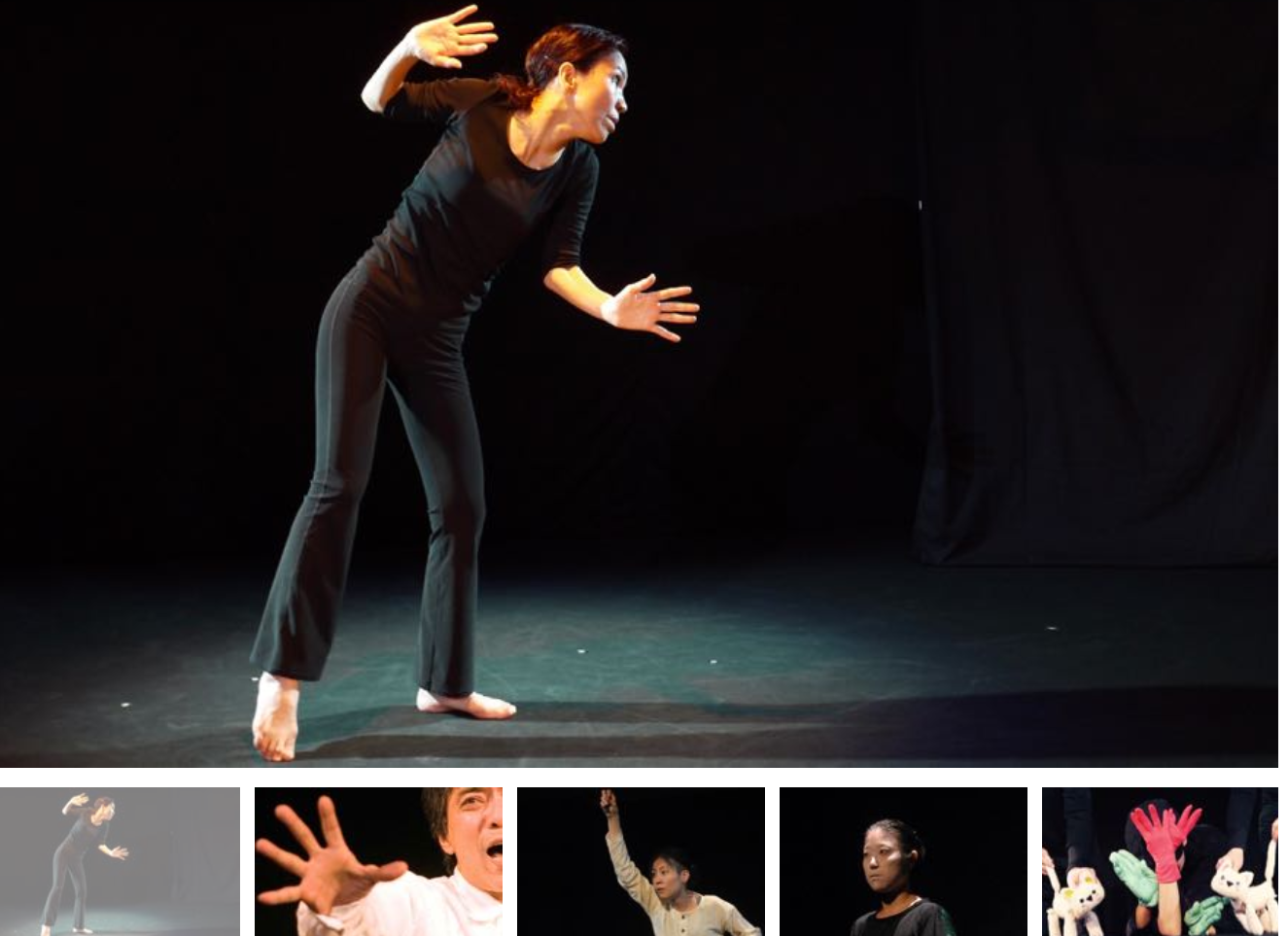
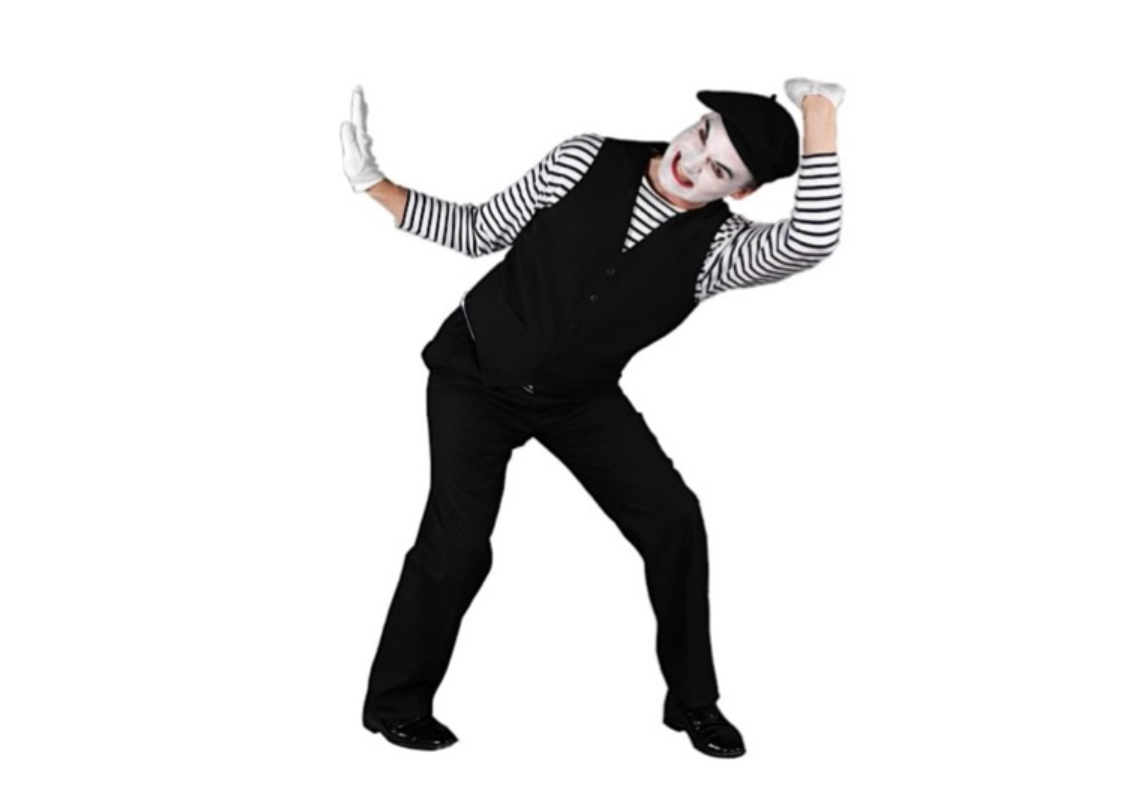
The art of physical theatre and pantomime (literally: “mimicked”) has its roots in the pre-Christian times. As theater forms, physical theatre, pantomime and mime are based on the expressiveness of the human body and on movement language as an art form. Situations, events, space, objects, relationships and partners can be brought to life through body language and mimikry and become visible for the spectators. In addition to learning classical and modern techniques of physical acting and pantomime, it is the goal of the education program to develop our student´s techniques in nonverbal/ physical theater and their individual expressive possibilities. After three years, our students are able to work in ensembles or to develop and perform their own plays as solo artists.
ENTRANCE EXAMINATION AT THE PHYSICAL THEATRE/MIME SCHOOL
Applicants for the physical theatre and pantomime/mime school are under examined as to flexibility, coordination and power. Very important for our teachers are fantasy, enthusiasam and artistic expressiveness. For the audition the applicants prepare an own solo play of 5 minutes. Further excercises and improvisations are given on the day of examination. After the examination the applicants get a personal feedback of their proficiency level.
PHYSICAL THEATRE/MIME EDUCATION IN THE MAIN SUBJECTS TECHNIQUE, SOLO-AND GROUP IMPROVISATION
The pantomime education program runs in three steps: in the first instance it is about the development of the physical and psychical basics of acting and about simple improvisation exercises. In the second step, the students reach a repertoire of expressions and techniques of classical pantomime/mime and of the physical theatre through group and solo work. Various schools of nonverbal, physical theatre, pantomime and mime, for example “Mime Corporel” or versions of the contemporary nonverbal theater, complete the profile of the education program. In the third part of the education program, the focus is on work in projects. The individual language of he physical expression and artistic form of every student are developed until they are ready for stage.
MINOR SUBJECTS OF PHYSICAL THEATRE/MIME EDUCATION
- classical dance
- modern/contemporary dance
- floor acrobatic
- acting
- commedia dell`arte/ masks
- anatomy
- clown
- cultural studies
- social studies
COST OF PHYSICAL THEATRE/MIME EDUCATION
The school fees for the physical theatre education are € 380 monthly. At the beginning of the course of study, a deposit of € 380 is required. This deposit will be refunded at the end of training or offset with the recent past due tuition.
DIE ETAGE is recognized under the Federal Training Assistance Act (BAföG) as a vocational school, students of DIE ETAGE may submit a request for tuition assistance. The student ID card allows students at DIE ETAGE various reductions including, but not limited to, public transport.
Parents or Guardians of pupils are entitled to child benefit. If they privately finance the training, the cost can be claimed in the tax return.